
Interior Design
Interior Design > GESSI - Wellness as a living standard
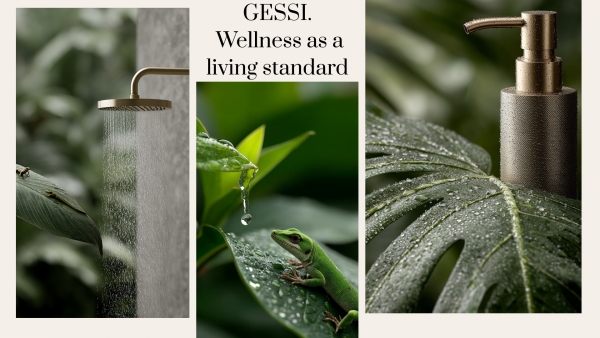
Dear Design Lovers,
In contemporary luxury real estate, true value lies beyond square meters and finishes.
It resides in experience, emotion, and long-term well-being.
GESSI bathroom collections are conceived to elevate residential spaces into private wellness sanctuaries, where advanced technologies, cutting-edge materials, and refined Italian craftsmanship converge.
Each element is designed to integrate seamlessly into modern architectural projects, enhancing the perception of quality, comfort, and exclusivity.
Interior Design > Design Objects - The lounge chair DUE PIU by Nanda Vigo (1971)

Dear readers,
Today I wish to share another great design object, one of a kind - the lounge chair DUE PIU!
The Due Più lounge chair (1971) by Nanda Vigo exemplifies her fascination with light, transparency, and minimal form. Characterized by a sleek, geometric structure it appears to “float” in space, creating interplay between the sitter, the chair, and its surroundings. This illusion of weightlessness underscores Vigo’s broader exploration of “cronotopia” (the fusion of time and space). The design’s clean lines and use of advanced materials for the era make the Due Più both visually striking and emblematic of the avant-garde Italian design movements of the early 1970s.
Interior Design > Design Objects - The PROUST CHAIR (1978) by Alessandro Mendini

Dearest Design Enthusiasts, welcome back to my blog’s page!
In this new article you’re about to read here on my blog is about an iconic armchair, a re-incarnation of the bold baroque style, Alessandro Mendini’s “Proust” armchair (often referred to simply as the “Proust Chair”) - one of the most celebrated icons of Italian Postmodern design (1978).
Interior Design > Design Objects - The IN-SIDE collection (2024) designed by Thomas Heatherwick

Dear design lovers,
Welcome back to my blog page - a window dedicated to great design pieces for home, office, and public spaces! Ready for some new inspiration?
I’m excited to share one of the releases from 2024 in the world of design, a Masterpiece of innovation and sustainability, the IN-SIDE sittings, proposed as a 2-seat sofa, an armchair, and a bench. This collection is made in Italy by MAGIS www.magisdesign.com, which brings out the beauty and texture of the material to enjoy in outdoor living spaces.
The author, the Arch. Thomas Heatherwick is an Honorary Fellow of the Royal Institute of British Architects; a Senior Research Fellow at the Victoria & Albert Museum; and has been awarded Honorary Doctorates from several outstanding institutions, such as the Royal College of Art, University of Dundee, University of Brighton, Sheffield Hallam University and University of Manchester. Moreover, in 2013 Thomas was awarded a CBE for his services to the design industry.
Interior Design > Design Objects - Flatware (1936) cutlery designed by Gio Ponti
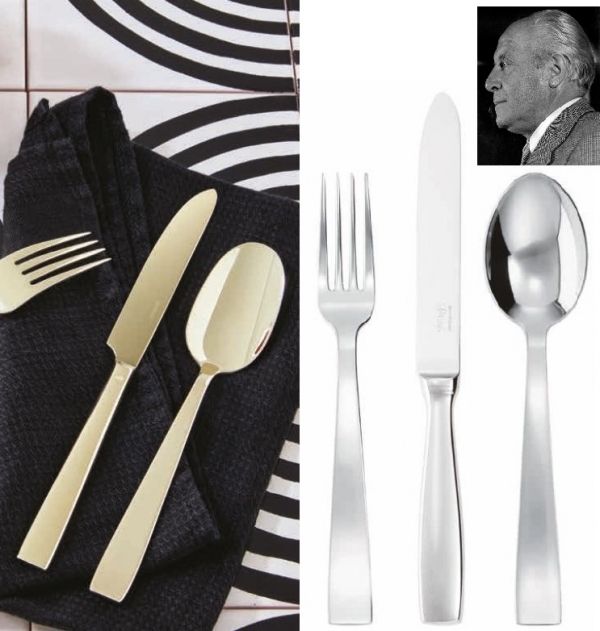
Dear readers and lovers of great design,
Today I wish to recall two great names from the industry of design: the first is Gio Ponti, and the second is Sambonet, both Made in Italy.
Gio Ponti (1891-1979) was an influential Italian architect and designer, who made significant contributions to the world of design, including flatware. His designs are known for their modernist approach, blending functionality with elegant, minimalist aesthetics.
One of his most famous flatware design is the FLATWARE cutlery, created for the Italian brand Krupp in 1936. It’s design was marked by modernist clean lines, while its smooth lines were practical and comfortable at use.
In the Sixties, the Sambonet family acquired Krupp brand, and continued the production of Flatware until Nineties, interrupting it for some time, and relaunching the production at the end of 2003 until our days, available in stainless steel, but also in silver-plated finish.
Interior Design > A Guidance to Interior Design Trends 2024 from Milano iSaloni International Fair

Dear Design Lovers,
Every year during the Milan iSaloni Internation Exhibition, we encounter the best producers worldwide and witness the most refreshing news from the industry of design, a platform where designers and brands showcase their latest creations! These news are interpreted as “Trends in interior design”, and are influenced by a variety of factors. Moreover, they evolve in response to cultural, economic, technological, and social changes.
Interior Design > The WABI SABI style - a design style that celebrates the beauty of imperfection and authenticity

Dear readers,
Today I would like to see with you another interior design style, that is very much appreciated worldwide for its minimalist aesthetics, natural materials, and a special love for imperfect beauty. Moreover, during the last International Exhibition at iSaloni Fair in Milan (16-21th April 2024) we could witness many European producers released special articles and even entire collections for indoors and outdoors in this easy-going design style. So, let’s see from up-close the unique characteristics and why this style it is so popular today.
WABI-SABI is a Japanese aesthetic philosophy that celebrates the beauty of imperfection and authenticity. In interior design, Wabi-Sabi focuses on creating spaces that are simple, uncluttered, and grounded in nature.
Interior Design > TOP 10 Most Famous Interior Design Objects MADE IN ITALY
Dear readers,
Italy's contribution to furniture design and interior decoration is immense, with a tradition that spans from ancient craftsmanship to leading-edge modern design. The "Made in Italy" label is synonymous with quality, creativity, and craftsmanship, reflecting the country’s rich heritage of art and design.
Interior Design > TOP 10 Most Iconic Interior Design Objects of all times

Dear Design Lovers,
The world of interior design is fascinating and rich in styles, shapes, materials, and functionally. Identifying the top 10 most famous interior design objects of all times is not an easy task, it can be subjective and vary depending on criteria like historical significance, cultural impact, design innovation, or popularity.
Interior Design > FENG SHUI - Helpful Tips How to Correct the Qi Energy in the Bathroom and Home Office

Dear readers,
Today we shall explore other areas of the house, specifically the bathroom, the guestroom, and the home office, and see how we can correct the Qi energy to bring balance of the elements and with it attract abundance.